
How Bali measures food security: the 2025 numbers explained
Bali reported a 245.39% strategic-food availability ratio in 2025, but that measure is different from farmer incomes and prices. Official data show why the indicators must be read separately.
By Mukmin John
Editor: Mursyid Sonsang
· 2 min read
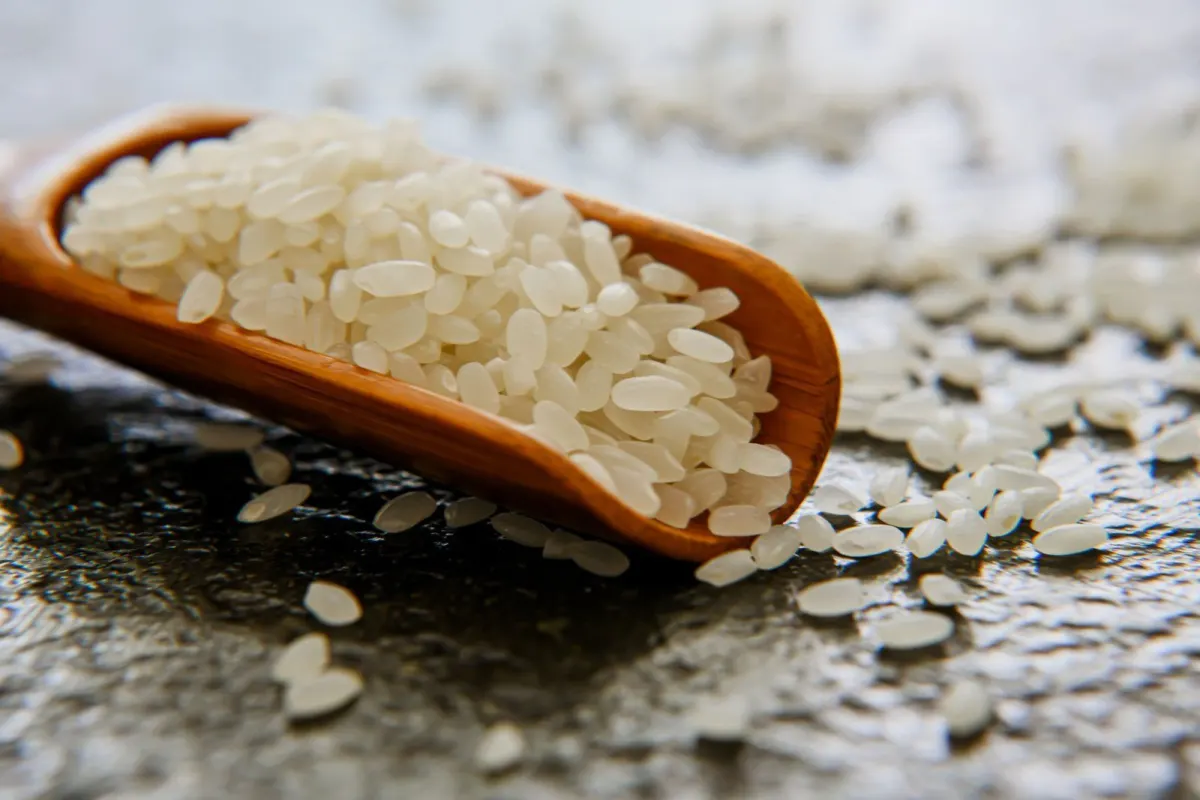
Bali’s food-security picture is measured through the availability of strategic food, not only through tourism or farm output. The provincial agriculture and food-security office reported a 245.39% availability ratio for strategic food in 2025, while BPS separately records agriculture-related prices and household conditions through indicators such as the farmer exchange rate.
What does Bali’s food-availability figure measure?
The 245.39% figure is the reported availability ratio for strategic food in Bali in 2025, according to the Bali Agriculture and Food Security Office’s 2025 performance summary. The office said the result exceeded its 100% target.
The ratio is therefore a food-availability indicator used in provincial performance reporting; it is not a count of tonnes, a measure of household food consumption or a claim that every food product is produced locally.
Does the figure mean Bali produces all its own food?
No. The reported ratio should not be read as proof that Bali is self-sufficient in every commodity. It describes the indicator used by the provincial office, while the source excerpt does not define it as a complete measure of local production or retail supply.
Bali’s official statistical system also separates food and farming conditions from broader economic measures. In its August 2025 release, BPS reported a farmer exchange rate of 98.95, according to BPS, 2025.
What does the farmer exchange rate show?
The farmer exchange rate compares the prices farmers receive with the prices they pay, making it a different indicator from food availability. BPS said Bali’s August 2025 figure was 98.95, down 2.69% from July 2025, according to BPS, 2025.
BPS also reported that the highest subsector figure was 107.83 for smallholder plantation crops, followed by 103.22 for food crops, while livestock recorded the lowest figure at 91.34, according to BPS, 2025.
Why do the two numbers matter together?
The two indicators answer different questions. The provincial availability ratio describes a strategic-food supply indicator, while the farmer exchange rate describes the price relationship affecting farming households.
Reading them together avoids treating one percentage as a complete picture of Bali’s food system. A high availability ratio does not by itself show how farm incomes, consumer prices or individual commodities are performing.
Sources
Read next
More on this story

Environment
Bali Records Nine Forest and Land Fires in One Week
Bali’s disaster agency recorded 16 incidents from Sept. 28 to Oct. 4, including nine forest and land fires. Officials reported no deaths or mass impac…
Most read in Explainers & Data
Today’s top story

Related