

Udayana Study Confirms Diesel-Linked Hydrocarbon Contamination in Benoa Mangroves
Udayana University researchers have identified 41 fuel-linked hydrocarbon compounds in mangrove soil near the Bali Mandara Toll Road, confirming diesel contamination in the Benoa area.
By Pandi Muktar
Editor: Mursyid Sonsang
· Event date: · 4 min read
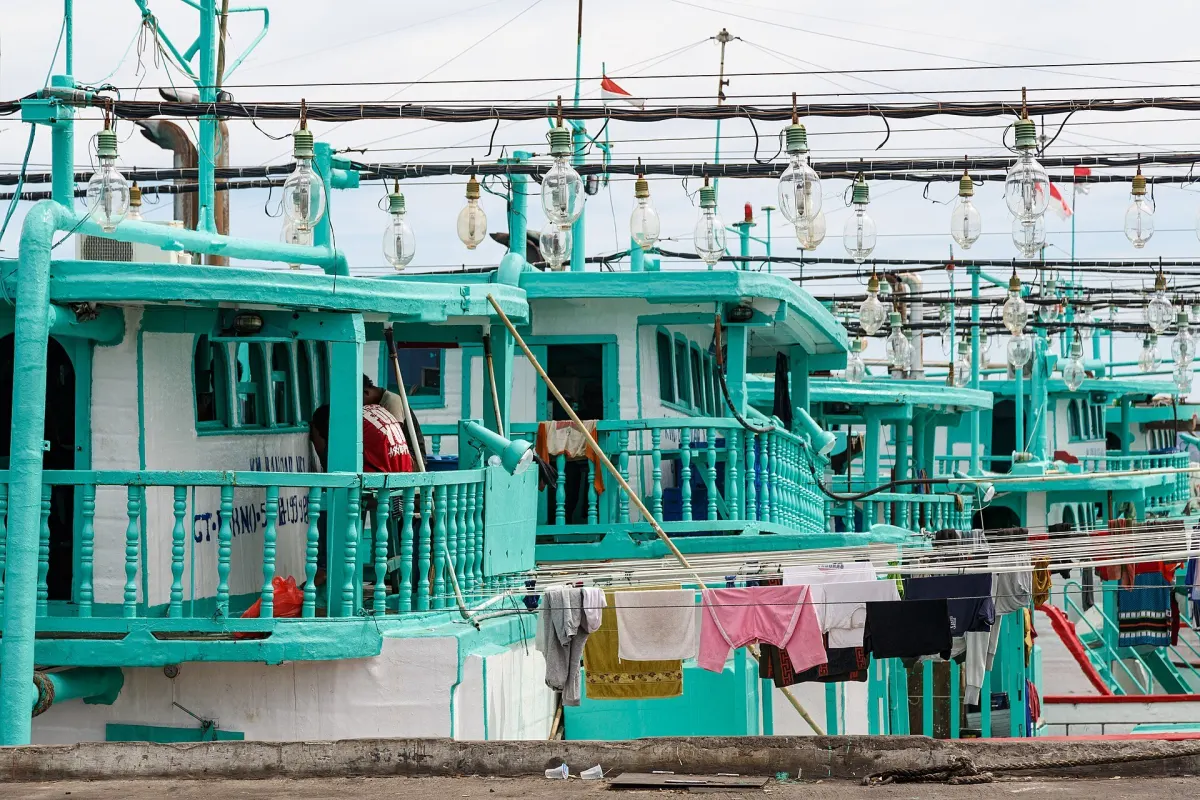
Denpasar — — Researchers from Udayana University’s Agricultural Hospital have confirmed petroleum-based fuel contamination in mangrove soil near the western entrance of the Bali Mandara Toll Road, identifying 41 hydrocarbon compounds in laboratory tests carried out in late February 2026, according to multiple Indonesian media reports.
The team collected soil, water and sediment samples from the affected mangrove area between 24 and 26 February 2026 and analysed them using gas chromatography–mass spectrometry (GC–MS), according to coverage citing the research coordinator, Dr Dewa Gede Wiryangga Selangga. From the soil samples, 45 volatile compounds were detected, of which 41 were hydrocarbons commonly found in fuel products such as gasoline, kerosene and diesel.
Selangga stated that the mangrove soil samples were “positively contaminated” by petroleum waste, particularly diesel (solar), based on the GC–MS profile. Media reports note that the detected hydrocarbons were dominated by compounds with a carbon atom range of C15–C24, a pattern the researchers said strongly indicates diesel contamination.
Fuel-linked compounds and soil profile
Details of the chemical profile reported by several outlets show that the hydrocarbons with relative proportions above five percent included n-hexadecane at 5.79 percent, n-heptadecane at 7.65 percent, pentadecane, 2,6,10-trimethyl at 7.27 percent, pentadecane, 2,6,10,14-tetramethyl at 8.67 percent, and n-eicosane at 5.42 percent. These percentages describe the composition of the detected compounds in the sample set rather than the absolute concentration of fuel in the mangrove soil.
According to the reports, the hydrocarbon mixture identified in the soil is consistent with petroleum fuels, with the dominance of C15–C24 hydrocarbons pointing most strongly to diesel, although some of the same compounds are also present in other refined fuel products.
The research team also analysed water samples from the mangrove area. Media coverage notes that the tests detected squalene, an organic hydrocarbon that can be produced by marine organisms and microorganisms, but did not identify fuel-type hydrocarbon pollutants in the water samples.
Mangrove die-off and ecosystem impacts
The GC–MS findings were part of a wider diagnostic effort examining the mass die-off of mangroves in Benoa and other parts of southern Bali in early 2026. Initial field assessments by the Udayana team ruled out pathogenic infection and instead pointed to abiotic stress linked to heavy metals and hydrocarbon contamination as the main drivers of mangrove decline.
Researchers reported that affected mangrove stands were located on land managed by the Port Authority (KSOP) and PT Pelabuhan Indonesia (Pelindo) in the Benoa area and that hundreds of trees had dried and died, particularly west of the Bali Mandara Toll Road entrance.
A separate case study on the Ngurah Rai Grand Forest Park (Tahura Ngurah Rai) in Benoa Bay later described vegetation dieback and degradation over approximately 3,800 square metres, triggered in part by hydrocarbon contamination from a fuel oil seepage near the toll road exit.
According to explanations cited from Selangga and other members of the research team, fuel contamination in the rhizosphere (root zone) can impair mangrove roots’ ability to absorb water and nutrients, leading to symptoms such as yellowing leaves, defoliation, drying and eventual plant death. Media reports attribute the absence of fuel-type hydrocarbons in surface water samples, despite clear evidence of contamination in soil and sediment, to cleanup activities and the tendency for hydrocarbons to settle and persist in mangrove soils.
Outstanding information gaps
While the February 2026 tests and subsequent reports document the presence and relative composition of 41 petroleum-related hydrocarbon compounds in mangrove soil, they do not provide publicly available data on concentration units or comparisons with Indonesian or international environmental quality standards. The media coverage also does not include detailed information on the number and depth of sampling points, detection limits, or any formal quantitative assessment of ecological or human health risk.
Indonesian outlets further report that the research team suspects heavy metals and fuel hydrocarbons as the primary cause of the mangrove die-off, but they note that investigations into the precise source, extent of contamination and long-term remediation measures are still ongoing.
Sources
Next story
Bali enacts Perda 4/2026 to curb land conversion and nominee ownership
Bali has enacted Provincial Regulation No. 4 of 2026 to restrict conversion of productive farmland and ban nominee land ownership, a policy officials…
Related