

What Bali’s October 23 Calendar Means for Farming and Livestock
Bali’s traditional calendar marks Oct. 23, 2026, as favorable for beginning livestock keeping and opening new agricultural land, while discouraging some other activities.
By Mukmin John
Editor: Mursyid Sonsang
· 2 min read
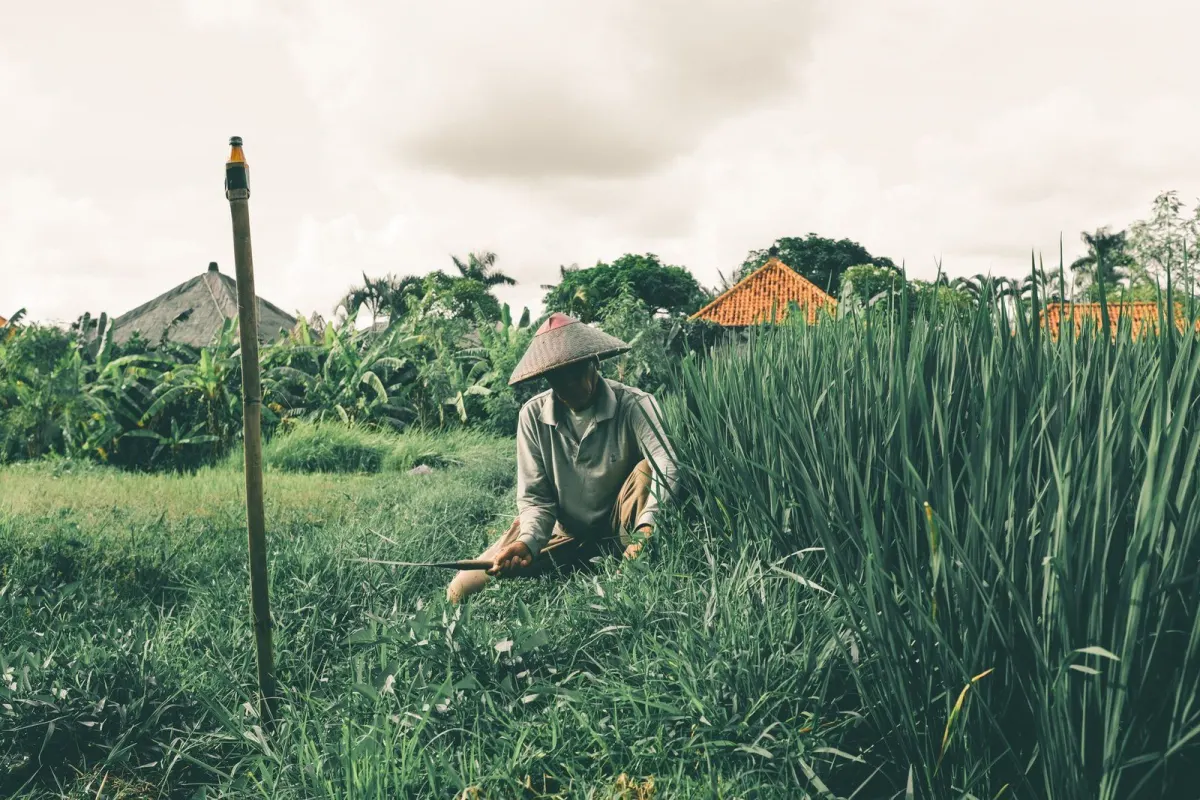
Denpasar — Ala ayuning dewasa, the Balinese system for assessing whether particular days are suitable for specific activities, marks Oct. 23, 2026, as a day when Kala Upa is favorable for beginning to keep livestock and Pepedan is favorable for opening new agricultural land.
The date falls on Sukra Pon Dukut in the Balinese calendar. The guidance is drawn from combinations of traditional calendar elements, including wuku, sasih, panglong and alahing dewasa, a priority measure used in judging the relative strength of a day.
For visitors and foreign residents, the system is best understood as cultural and customary timing rather than a government regulation. It may shape decisions involving religious observances, farming, livestock and other activities in Bali, but the reports describe it as guidance for suitability, not as a legal requirement.
What Oct. 23 means for farming and livestock
The Kala Upa designation supports beginning to take or keep livestock, described in Balinese as wewalungan. Pepedan supports opening new agricultural land. The same calendar guidance also identifies activities that are not considered suitable: Pepedan is unfavorable for making iron equipment, while Sampi Gumarang Munggah is unfavorable for planting rice and corn.
The calendar framework does not treat every activity on a date in the same way. A day can be favorable for one purpose and unfavorable for another. The reports also note that important customary rituals and decisions, including weddings, are generally considered in consultation with local customary or religious authorities so that the timing fits the local spiritual context.
In practical terms, a foreigner encountering these designations may see them used when Balinese residents select dates for agricultural work, animal husbandry or ceremonies. The terminology describes the traditional assessment itself; it does not establish an immigration, land-use or agricultural licensing rule for visitors.
The reported guidance comes from the Balinese calendar reference Kalender Bali Digital and was published by Bali Post, detikBali and IDN Times in reports dated Oct. 22 and Oct. 23, 2026. Those reports identify the date and the relevant activities but do not state any further official enforcement or subsequent change.
Sources
Read next
More on this story

Explainers & Data
Bali Assessment Places Buleleng First and Badung Last
Bali’s 2026 assessment put the average score across its nine regencies and municipalities at 77,27. Buleleng ranked highest and Badung lowest.
Most read in Explainers & Data
Today’s top story

Related