

WRI Indonesia urges Bali to strengthen public transport
World Resources Institute Indonesia is urging Bali to expand public transport and secure longer-term funding as vehicle numbers and transport emissions continue to rise.
By Pandi Muktar
Editor: Mursyid Sonsang
· 2 min read
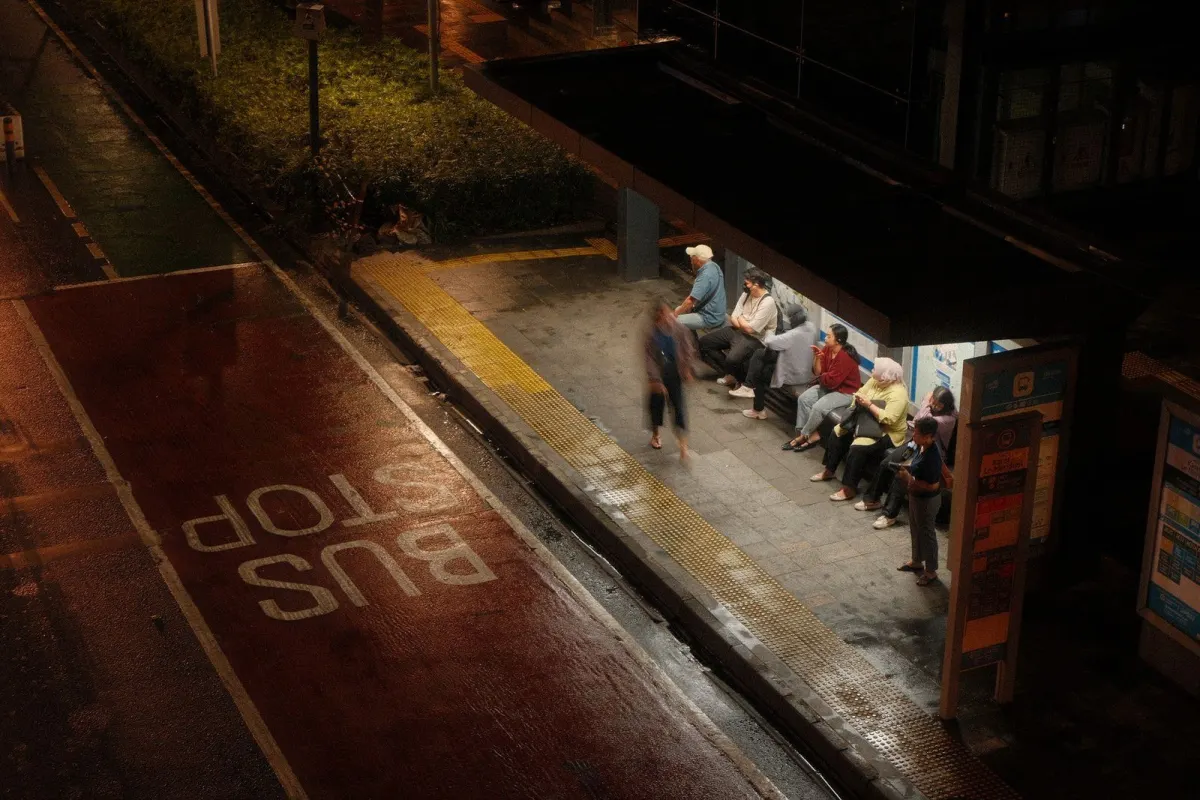
Bali — World Resources Institute Indonesia urged Bali to strengthen public transport to reduce reliance on private vehicles and help cut transport emissions, according to reports published on October 8, 2026.
Why it matters: The recommendation could affect transport funding, public-transport coverage and low-emission measures used by Bali residents and visitors.
WRI Indonesia said Bali recorded 5,227,554 vehicles in 2024, with the total growing by about 5 percent a year over the past decade, NusaBali reported. Transport is estimated to account for about 40 percent of emissions in Bali.
Made Swabawa, WRI Indonesia’s communication officer for Bali Transport Decarbonization, said expanding roads alone would not solve congestion. He called for budget support and regulations that provide more certainty for public-transport funding, according to NusaBali.
Limited coverage
Public-transport services including Trans Metro Dewata, Trans Sarbagita and Shuttle Intaran remain available, but their urban-service coverage reaches only about 10 percent of the Sarbagita area, the report said. Sarbagita covers Denpasar, Badung, Gianyar and Tabanan.
WRI Indonesia also urged Bali to advance the Bali Low Emission Zone Initiative in six priority areas: central Denpasar, Sanur, Kuta, Nusa Dua, Ubud and Nusa Penida. The initiative combines public-transport integration with measures such as pedestrian improvements, parking management and lower-carbon technology.
WRI’s Bali transport research says public transport and non-motorised travel account for only about 1.55 percent of trips, while motorcycles account for 62 percent and cars for 33 percent. The organisation has identified low-emission zones as a way to reduce dependence on private vehicles and improve urban air quality.
The reports did not announce a new binding regulation or implementation deadline. WRI said the shift away from private vehicles would require public transport that is adequate, affordable and accessible.
Sources
Read next
More on this story
Business & Investment
Bali Sets November Trial for 11 Electric Sarbagita Buses
Bali has received 11 electric Trans Sarbagita buses and plans a launch on Oct. 22 before public service begins Nov. 1 on the GOR Ngurah Rai–Udayana–GW…
Most read in Environment

Related