

Bali Reports 16 Disasters as Dry Season Raises Fire Risk
Bali recorded 16 disasters from Oct. 12 to 18, including 10 forest and land fires. Authorities distributed 177,500 liters of clean water as the dry season continued.
By Pandi Muktar
Editor: Mursyid Sonsang
· 2 min read
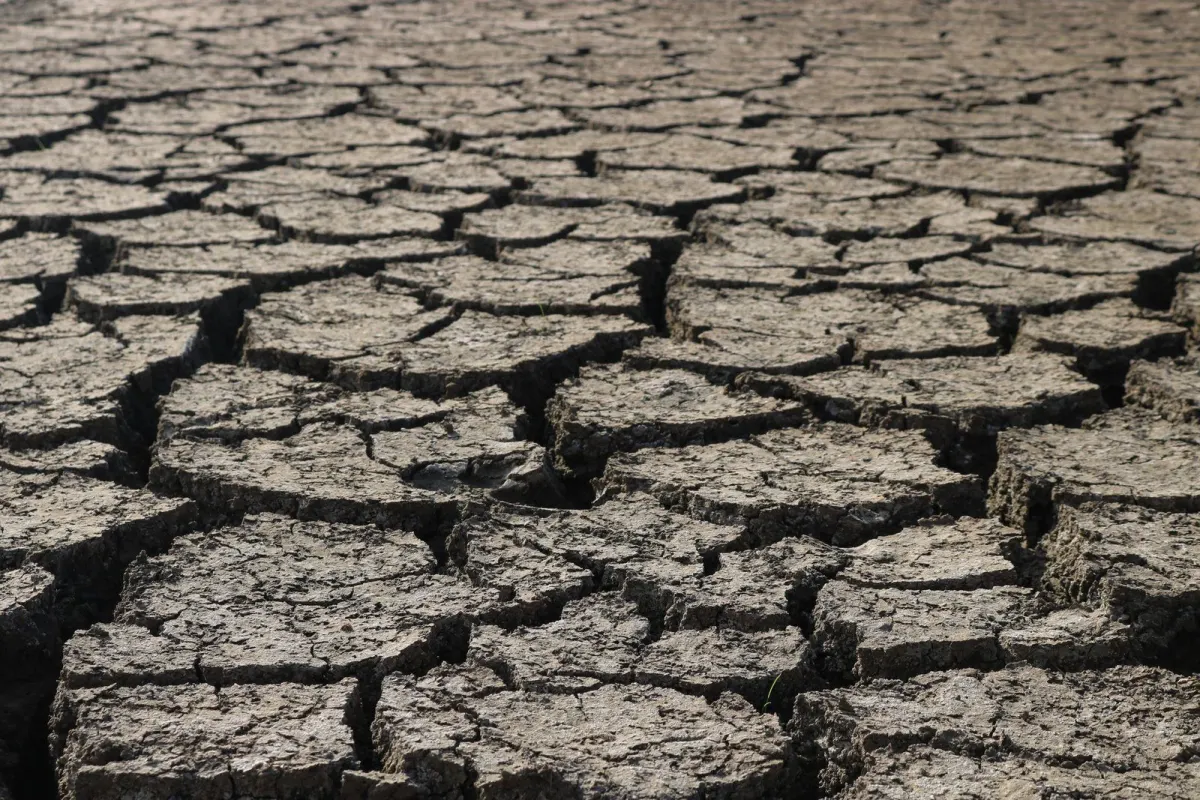
Denpasar — Bali recorded 16 disasters between Oct. 12 and 18, 2026, including 10 forest and land fires, as an unusually prolonged dry season continued to strain water supplies across the island.
The Bali Provincial Regional Disaster Management Agency, known in Indonesia as BPBD, said the fires were the largest category of disaster recorded during the week. The tally also included four building and settlement fires and two extreme-weather incidents involving strong winds. All reported incidents were handled without fatalities.
At the same time, BPBD, the Indonesian Red Cross and the Bali Provincial Public Works, Spatial Planning, Housing and Settlement Areas Agency distributed 177,500 liters of clean water during the same period. The water was delivered to several regencies as authorities responded to shortages linked to the delayed arrival of the rainy season.
Why the dry season matters to Bali residents and visitors
For foreign residents and visitors, the figures point to two practical effects of the conditions: a higher risk of vegetation and land fires, and pressure on local water supplies. The shortages affect basic household needs in areas where availability is limited, while fires can threaten communities, roads and surrounding land even when no deaths are reported.
BPBD said water distribution continued on Oct. 19 in Jembrana. A separate report said the 177,500 liters included deliveries of 62,500 liters to Tabanan and 56,000 liters to Buleleng. The agency also identified four land-fire points on Oct. 19, in Karangasem, Klungkung, Buleleng and Badung; those incidents were reported as handled.
The wider weather pattern was also reflected in a warning from the Meteorology, Climatology and Geophysics Agency, or BMKG, which said Bali could experience a longer and drier 2026 dry season associated with weak El Niño conditions. BMKG identified northern Bali, Nusa Penida and southern Klungkung as areas vulnerable to extreme drought.
Sources
Read next
More on this story

Explainers & Data
Bali Assessment Places Buleleng First and Badung Last
Bali’s 2026 assessment put the average score across its nine regencies and municipalities at 77,27. Buleleng ranked highest and Badung lowest.
Most read in Environment
Related