
Bali tsunami warnings: who issues them and what visitors should do
Bali visitors should understand who issues earthquake and tsunami warnings, how authorities divide responsibilities and which evacuation actions BMKG recommends for coastal emergencies.
Editor: Mursyid Sonsang
· 2 min read
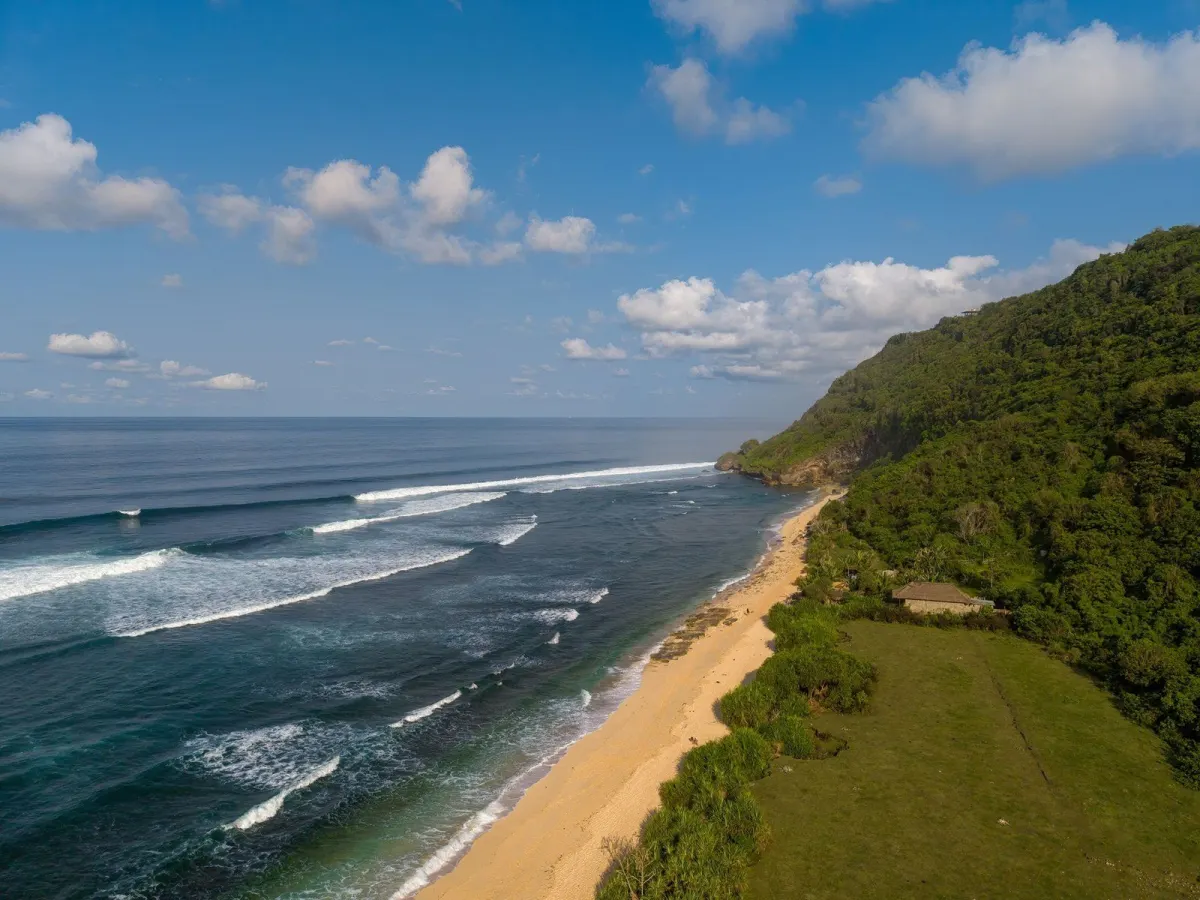
For Bali visitors, the clearest official safety answer is to know how tsunami warnings work and what to do after a strong earthquake. BMKG monitors earthquakes and tsunami threats, while BNPB coordinates disaster response and risk reduction; official guidance says people should leave the coast, move to higher ground and follow authorities.
Who issues warnings and who responds?
BMKG is responsible for monitoring natural phenomena and their potential hazards, including earthquakes and tsunamis, according to the agency’s explanation of the national system, published in 2025 and updated in 2026.
BNPB is responsible for disaster management and risk reduction on the ground, according to BNPB’s 2025 account of its coordination with BMKG, updated in 2026.
What should visitors do after a strong earthquake?
BMKG’s public guidance says people should move away from the beach, go to higher ground and follow instructions from authorised officers. This guidance applies to residents and visitors in coastal areas.
Travellers should treat official warnings and directions from local authorities as the controlling information during an emergency, rather than relying on informal reports.
How is Bali’s warning system being strengthened?
BMKG said a multihazard early-warning backup building in Bali is designed to support Indonesia’s earthquake and tsunami warning systems. The facility includes a command centre, 24/7 disaster communications, data and information functions for extreme weather and climate, earthquakes and tsunamis, and a national emergency-coordination room, according to BMKG, 2025.
BMKG said the Bali facility provides redundancy for systems previously centred in Kemayoran, Jakarta, according to BMKG, 2025.
Does every earthquake create a tsunami?
No. BMKG’s tsunami-service record for an earthquake on 28 August 2023 says historical data and tsunami modelling showed that event was not capable of generating a tsunami affecting the Indian Ocean region, according to BMKG, updated 2026.
The practical distinction is why visitors should follow event-specific BMKG and local-authority information while still acting immediately on evacuation instructions.
Sources
Read next
More on this story

Explainers & Data
Bali Assessment Places Buleleng First and Badung Last
Bali’s 2026 assessment put the average score across its nine regencies and municipalities at 77,27. Buleleng ranked highest and Badung lowest.
Most read in Travel Advisory
Today’s top story
Related