
Gianyar Temple Celebration Brings Hindu and Chinese Traditions Together
A four-day piodalan in Gianyar brought Hindu Balinese rituals and Chinese religious traditions together, with sacred dances and barongsai performances.
By Mukmin John
Editor: Mursyid Sonsang
· Event date: · 2 min read
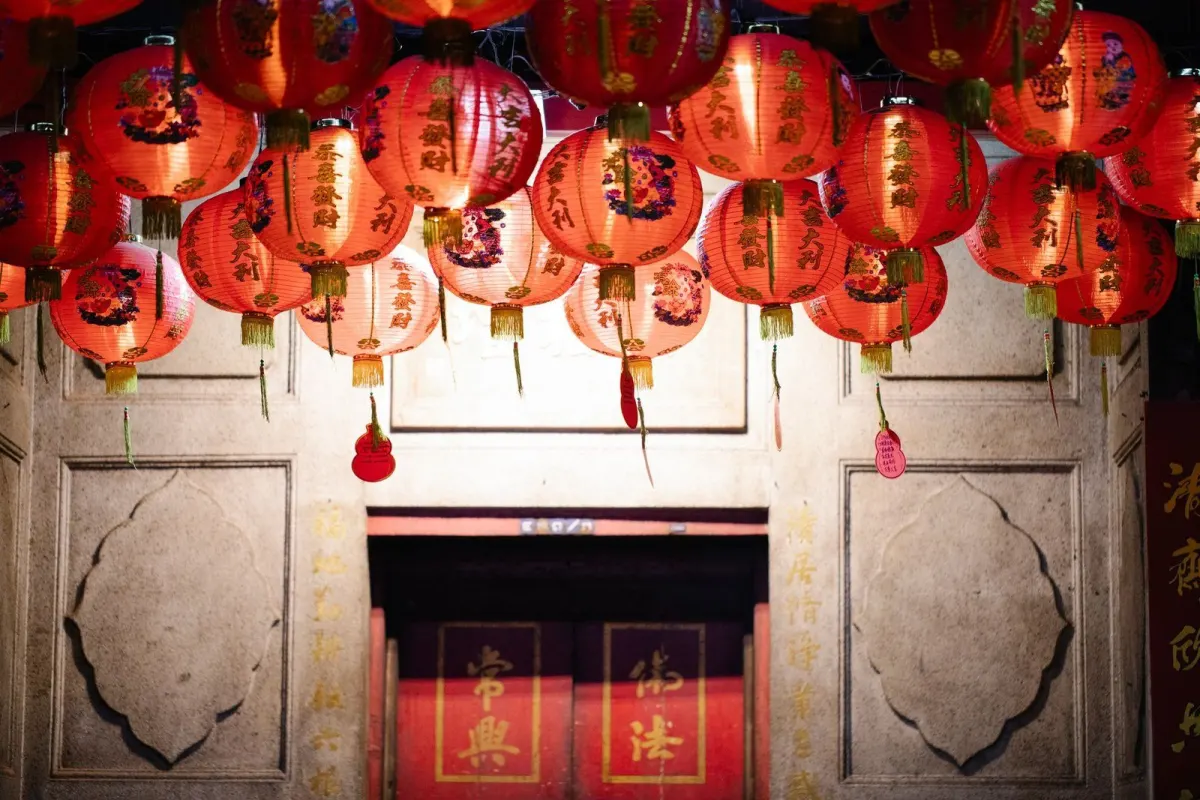
Gianyar — A four-day piodalan at Pura Sri Sedana and Cong Poo Kong Bio combined Hindu Balinese ritual practices with Chinese religious traditions on Saturday, Oct. 24, 2026, drawing barongsai groups and traditional Balinese performers.
The celebration took place at the temple complex on Jalan Dipta No. 14A in Gianyar. The observance fell on the 15th day of the ninth month in the Chinese lunar calendar, or Purnamaning Kalima in the Balinese calendar.
Ritual elements associated with Confucian worship, including incense and candles, were held alongside banten offerings used in Hindu Balinese ceremonies. At the height of the piodalan, performers presented sacred dances including Rejang Dewa, Baris Gede, Rejang Renteng, Rejang Sari and Topeng Sidakarya.
Why the Gianyar ceremony matters
For visitors and foreign residents, the event offers a clear example of how religious and cultural traditions coexist in Bali’s local ceremonial life. The temple’s piodalan was not presented as a single tradition replacing another, but as a shared observance that brought together Hindu Balinese ritual forms and Chinese religious practices.
Performances were held each night during the four-day programme. Balinese dance presentations included Tari Manukrawa by students of SDN 3 Gianyar and Tari Puspanjali by members of the temple community. Barongsai groups from associations in Denpasar, Gianyar and Klungkung were also scheduled to perform, making the Chinese lion dance a prominent part of the public celebration.
The temple complex has stood at the Gianyar site for hundreds of years, according to the reports. The ceremony was attended and supported by the temple community and residents of Lingkungan Sangging, reflecting the long-established cultural relationship described in coverage of the event.
Sources
Read next
More on this story
Culture & Ceremony
Gianyar holds consecration ceremonies at new government centre
Gianyar’s regency government held the main Hindu consecration ceremonies at its new administrative complex on 19 October 2026, with further procession…
Most read in Culture & Ceremony
Today’s top story

Related