
What the Wallace Line Means for Wildlife in Bali and Lombok
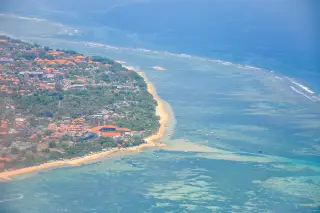
A report explains why Bali and Lombok differ ecologically despite being separated by only 20 kilometers: the Wallace Line divides Asian-influenced fauna from Lombok’s transitional wildlife.
By Pandi Muktar
Editor: Mursyid Sonsang
· 2 min read
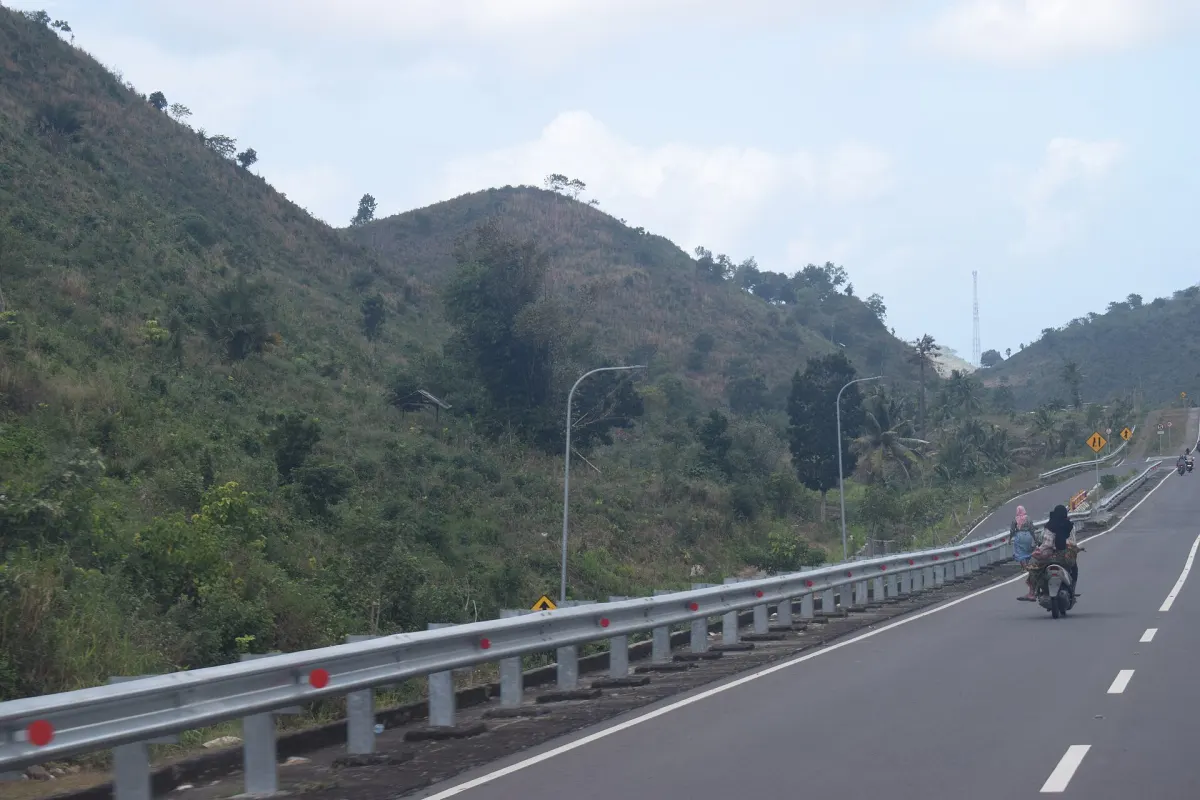
Lombok — Bali and Lombok are separated by a strait whose narrowest point is 20 kilometers, yet the islands have markedly different wildlife. A report published Oct. 13, 2026, explains that the divide is the Wallace Line, a biological boundary between Bali’s Asian-influenced fauna and Lombok’s transitional fauna with Australasian affinities.
The change comes across a short stretch of water that separates two distinct biogeographic groupings. Bali belongs to the Indo-Malay group and has fauna resembling that of Java and Sumatra, including the Bali starling. Bali was also once home to the now-extinct Bali tiger. Lombok, by contrast, belongs to the Timor Group and has species associated with the Australasian side of the transition.
On Lombok, the report identifies cockatoos and honeyeaters as examples of birds resembling species found in Australia. It also describes small mammals and other fauna associated with the island’s transitional character. The Wallace Line does not mean that every species changes abruptly at the shoreline; it describes the broad biogeographic pattern that makes the neighboring islands ecologically different.
Why the Wallace Line matters to readers
For visitors and foreign residents, the line provides context for why wildlife encounters can differ sharply between Bali and Lombok despite their proximity. Bali’s fauna is characterized by large mammals, primates and common terrestrial mammals, along with freshwater fish. Lombok’s fauna is more influenced by Australasian or transitional types, including honeyeaters, cockatoos and smaller mammals.
The report also highlights the Rinjani civet, known among the Sasak community as ujat, as a Lombok-associated subspecies found around forests, plantations and settlements near Mount Rinjani. The West Nusa Tenggara Environment and Forestry Agency identifies the lutung as another species found on Lombok but not on Bali or Sumbawa. As a leaf- and fruit-eating primate that lives in groups, it contributes to forest ecosystems by helping disperse seeds.
Honeyeaters typically feed on flower nectar, although some species also eat insects and fruit. Their presence in Wallacea reflects the region’s position between Asian and Australian biological zones. The report presents the Bali–Lombok contrast as an enduring result of geography and evolutionary history rather than a difference created by modern development.
Sources
Read next
More on this story

Explainers & Data
Bali Assessment Places Buleleng First and Badung Last
Bali’s 2026 assessment put the average score across its nine regencies and municipalities at 77,27. Buleleng ranked highest and Badung lowest.
Latest in Environment

Today’s top story

Related