

What Bali’s prolonged dry season means for fire risk
Bali’s disaster agency recorded 30 incidents from Sept. 21–27 amid a prolonged dry season. Fires were the main category, but officials said the situation remained under control.
By Pandi Muktar
Editor: Mursyid Sonsang
· 2 min read
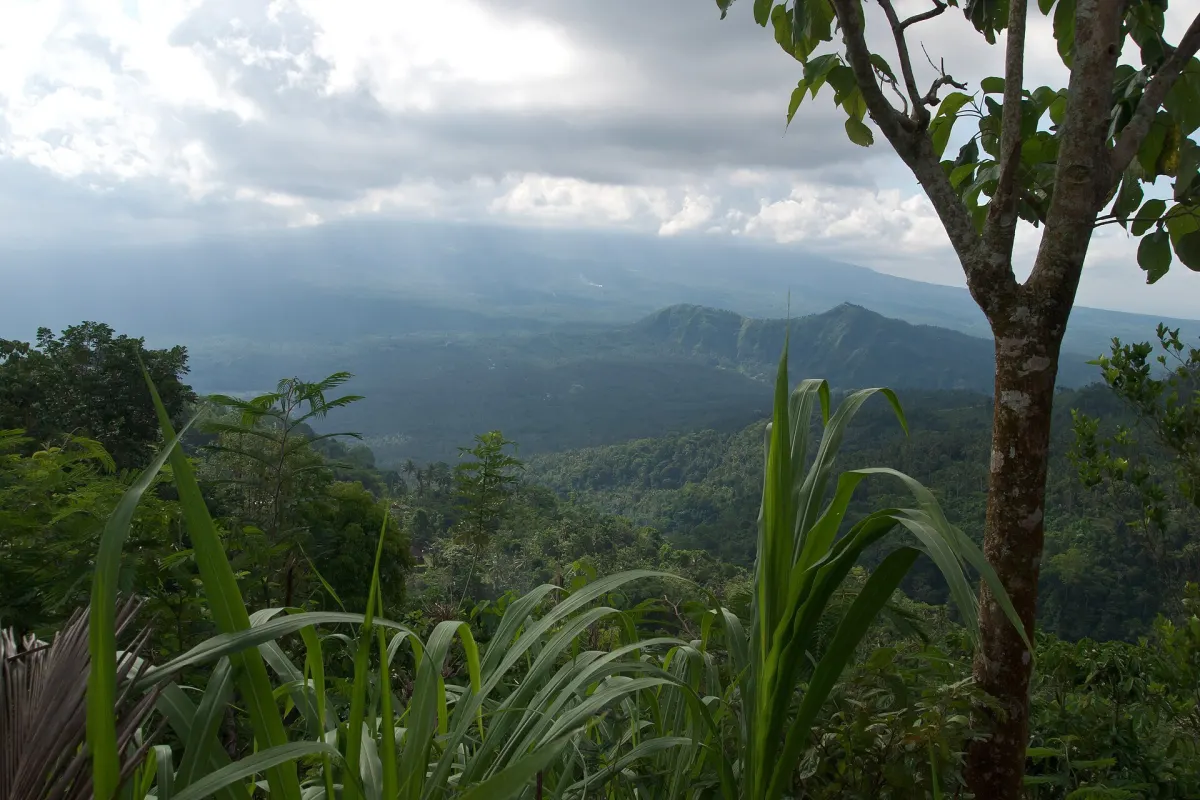
Denpasar — Bali recorded 30 disaster and emergency incidents from Sept. 21 to Sept. 27, 2026, as the island’s prolonged dry season continued, according to the Bali Regional Disaster Management Agency (BPBD).
The change comes as the agency’s weekly situation report described fires as the main impact during the period ending at 8 a.m. WITA (UTC+8). The incidents included 15 forest and land fires, nine fires involving buildings and settlements, five extreme-weather events and one fallen tree.
Why the figures matter to foreign visitors and residents
For people living in or visiting Bali, the figures indicate that the dry-season risk was distributed across several types of emergencies rather than limited to one location. The agency said Buleleng recorded the highest number of reports, with 13 incidents. The incidents there included land fires, forest and land fires, building fires and a fallen tree linked to extreme weather.
The BPBD is the provincial disaster-management agency responsible for coordinating responses to emergencies in Bali. Its assessment was that the overall situation remained under control and that there was no mass impact. That statement describes the scale of the reported consequences; it does not mean that fires or other local emergencies were absent.
The figures cover a single seven-day reporting period. They therefore describe incidents recorded between Sept. 21 and Sept. 27, rather than a total for the entire dry season. The report attributes the incidents to the prolonged dry season and identifies forest and land fires, along with fires affecting buildings and settlements, as the dominant categories.
Sources
Read next
More on this story

Travel Advisory
Bali Forecast Sets 31°C High With No Rain Warning Listed
Bali’s Sept. 30 forecast set the highest temperature at 31 degrees Celsius. No regency or city appeared under a rain warning through 8 a.m. WITA on Oc…
Latest in Environment

Related