
What October 12 means for ceremonies in Bali
Bali’s traditional calendar marks October 12, 2026, as favorable for Dewa Yadnya and ancestor worship, while other combinations discourage weddings, cremations and selected activities.
By Mukmin John
Editor: Mursyid Sonsang
· 2 min read

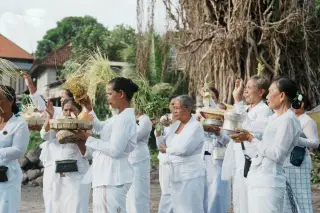
Denpasar — Bali’s traditional calendar marks Monday, October 12, 2026, as suitable for Dewa Yadnya ceremonies and honoring ancestors under the Amerta Dadi designation. The same day carries separate combinations that make particular activities unsuitable.
The guidance comes from the ala ayuning dewasa system, which is used to assess whether a day is considered favorable or unfavorable for specific customary and ritual activities. It draws on elements of Bali’s traditional calendar, including wuku, sasih, panglong and alahing dewasa, a ranking used in assessing the relative strength of a day.
What October 12 means for ceremonies in Bali
For a foreign resident or visitor, the calendar is best understood as traditional guidance rather than a general legal restriction. Amerta Dadi is described as favorable for Dewa Yadnya, a category of offerings and ceremonies dedicated to Hindu deities, and for ancestor worship. That designation does not make every ritual or event on the date favorable, because other calendar combinations apply at the same time.
Carik Walangati is described as unfavorable for weddings, known locally as wiwaha, as well as atiwa-tiwa or ngaben, terms associated with funerary and cremation ceremonies, and for building a house. Dadig Krana is favorable for planting sugar cane and cucumbers but unfavorable for ceremonies or yadnya, meetings and sexual relations.
Geheng Manyinget is described as unfavorable for important work, including yadnya, because of possible disturbances. Kaleburau is unfavorable for karya ayu or yadnya and specifically for atiwa-tiwa or ngaben. Macekan Lanang is favorable for making items such as ceremonial blades, spears and fishing tools, but unfavorable for yadnya ceremonies.
The calendar’s classifications therefore distinguish between the overall date and the particular combination governing an activity. Balipost.com reported that people generally continue to consult local customary leaders for rituals and other important decisions so that the timing fits the spiritual and local context.
The date is also identified as Soma Paing Kulawu in the traditional calendar. The guidance applies to the customary interpretation of the day; it does not establish a reported immigration, tourism or civil-law requirement for foreigners in Bali.
Sources
Read next
More on this story

Explainers & Data
Bali Assessment Places Buleleng First and Badung Last
Bali’s 2026 assessment put the average score across its nine regencies and municipalities at 77,27. Buleleng ranked highest and Badung lowest.
Most read in Explainers & Data

Today’s top story

Related