

Bali designates six low-emission areas across four regions
Bali’s governor and local leaders signed a 2026–2030 commitment covering six low-emission areas. Measures include waste controls, limits on single-use plastics and solar power.
Editor: Mursyid Sonsang
· 2 min read
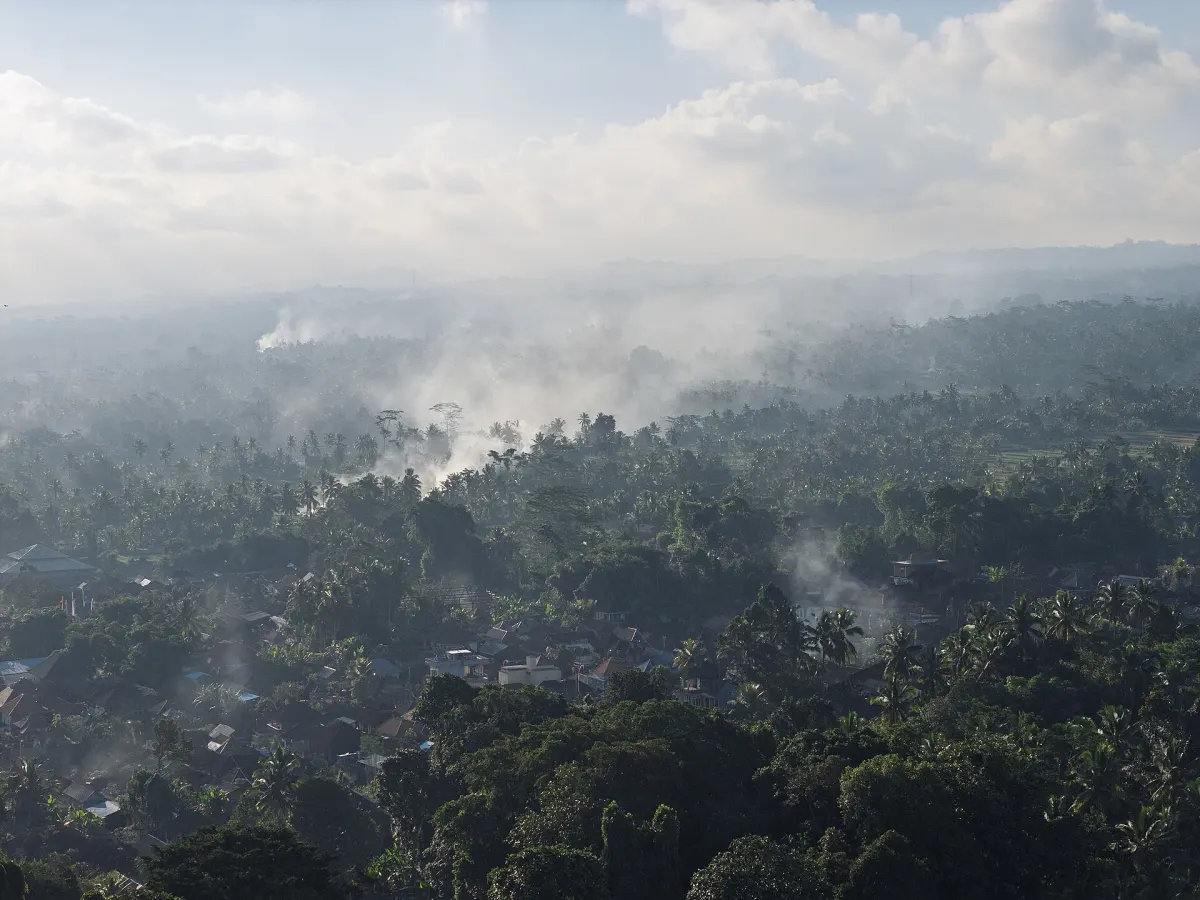
Gianyar — Bali Governor Wayan Koster and leaders from four regencies and cities signed a commitment on Oct. 10, 2026, to manage six low-emission areas across Badung, Klungkung, Gianyar and Denpasar.
The areas are Nusa Dua, Nusa Penida, Kuta, Ubud, Sanur and the Gajah Mada cultural heritage area in Denpasar. The agreement establishes the Kerthi Bhumi Satwika low-emission framework and follows Governor of Bali Decision No. 912/04/B/HK/2026, dated Oct. 6, 2026.
Implementation is to cover source-based waste management, limits on single-use plastics and the use of solar power. The policy also encompasses environmental management, tourism, transport and waste treatment, with local governments responsible for adapting implementation to each area’s characteristics and capacity.
Why the six areas matter to visitors and foreign residents
For visitors and foreign residents, the commitment signals that environmental requirements will increasingly be integrated into Bali’s main tourism and urban areas. The reports do not describe a single islandwide rule for individuals, nor do they state penalties or an immediate change to entry requirements. Instead, the practical effects will depend on regulations and programs adopted by the four local governments.
Ubud is intended to strengthen culture- and environment-based tourism, while the Nusa Penida islands are focused on protecting island and coastal ecosystems. Nusa Dua, Kuta and Sanur are designated as strategic areas for environmentally responsible tourism. The Gajah Mada cultural heritage area is intended to combine historic preservation with sustainable urban development.
The six areas were selected because they have some of Bali’s highest numbers of domestic and international visitors, according to the report. The provincial government says the wider objective is to reduce greenhouse-gas emissions, accelerate clean-energy use, support environmentally friendly transport and protect ecosystems and biodiversity.
The agreement was signed at Pura Er Jeruk in Gianyar on Oct. 10, 2026, coinciding with Rahina Tumpek Wayang. The reports state that implementation will be integrated with spatial-planning policies and sectoral programs, while the detailed model and technical measures will be determined by each local government.
Sources
Read next
More on this story

Explainers & Data
Bali Assessment Places Buleleng First and Badung Last
Bali’s 2026 assessment put the average score across its nine regencies and municipalities at 77,27. Buleleng ranked highest and Badung lowest.
Most read in Bali News
Today’s top story

Related